The setup mistake that causes problems months later
A 340B purchasing account usually looks clean on the day it goes live. The trouble comes later, when the wholesaler account structure, ordering permissions, and invoice review process no longer match how the covered entity buys and replenishes drugs.
That’s the part too many teams miss. Onboarding gets treated as a wholesaler paperwork exercise when it is really a compliance-control build. If the wrong location can order on the wrong account, a buyer can move between accounts without clear restrictions, or invoice review checks only whether the product arrived, the covered entity has created a problem that split billing software won’t fix.
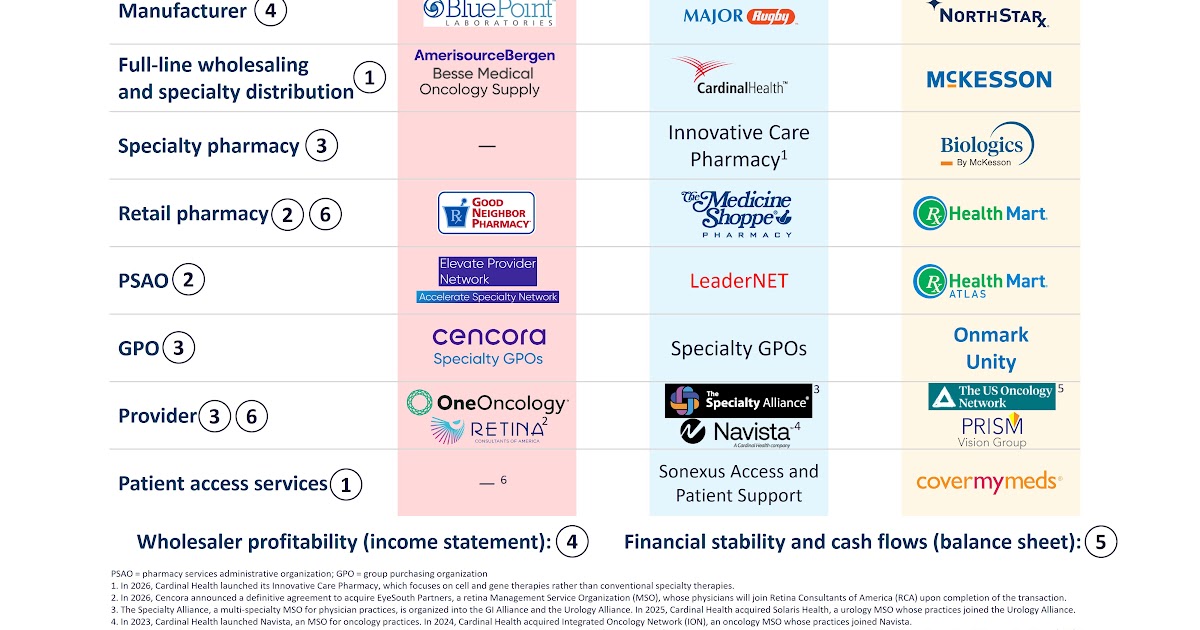
The risk matters because wholesalers sit at the center of the drug channel. Drug Channels Institute said in its 2026-27 report announcement that drug distribution revenues for the Big Three public wholesalers are projected to reach $933 billion in 2026, while growth has slowed from double-digit to mid-single-digit rates. The same source notes that Cencora, Cardinal Health, and McKesson play diverse roles within the U.S. healthcare system. For a 340B program administrator, account setup is not a side issue. It sits inside a much larger distribution system that is changing around the program.
Wholesaler onboarding should mirror your 340B accumulations, not your org chart
The first practical rule is simple: build purchasing accounts around replenishment logic and eligible purchasing pathways, not around whoever asked for the easiest access. Internal convenience is how mixed buying patterns begin, and those patterns are difficult to explain later.
During onboarding, the covered entity should decide which accounts serve which purchasing purposes and which locations, pharmacies, or care settings can access them. That sounds obvious, but the boundaries blur quickly when central buyers order for multiple sites, outpatient areas share storerooms with other operations, or pharmacy leadership treats a wholesaler subaccount as a catchall until split billing catches up.
It can’t. If the account design is sloppy, the replenishment records and invoices will be sloppy too.
A clinic might start with one outpatient buying path, then add registered sites or dispensing locations without rebuilding its wholesaler controls. Buyers continue using legacy ordering habits. Product still moves, and patients still receive treatment. Then invoice review shows purchases landing on an account that no longer matches the replenishment model. Nobody intended diversion, but intent does not clean up the audit trail.
A tighter onboarding process forces agreement across pharmacy, compliance, finance, and whoever manages the split billing system. Before the account is activated, the covered entity should know which drugs belong on which account types, who can place orders, who can approve exceptions, and how transfers will be documented if product has to move after receipt. If the wholesaler setup is vague at go-live, it usually stays vague.
Ordering controls fail when everyone can “just place the order”
The ordering side of 340B compliance often breaks in ordinary workflow rather than dramatic fraud scenarios. A buyer needs a product quickly, uses the wrong account, and assumes the issue can be fixed later. Sometimes it can. Often the workaround becomes a recurring shortcut that keeps reappearing on invoices.
That’s why account permissions matter as much as account creation. The covered entity needs clear control over who can order, who can edit, and who can switch between purchasing pathways. If the wholesaler platform allows broad user flexibility, internal policy and review have to narrow it. A good setup reduces the number of people who can create purchasing exceptions in the first place.
There’s also a business reason to take wholesaler relationships seriously. Drug Channels Institute states that the largest wholesalers have invested more than $20 billion in physician management services organizations, which it says is transforming their roles in buy-and-bill markets. That does not tell a covered entity how to run 340B. It does show that the wholesaler operates in a more complex environment than basic case delivery. Covered entities should expect tighter integration, more channel complexity, and more need for internal discipline when deciding who controls ordering.
One bad habit deserves direct criticism: using manual workarounds as a standing operating model. If staff routinely place orders first and sort out account appropriateness later, that is not flexibility. It is a control failure with a calendar invite around it.
Invoice reconciliation is where your account design gets exposed
Invoice reconciliation is not just a matter of matching what was ordered to what was received. For 340B, it is where the covered entity proves that purchasing behavior matched its own rules.
If invoices are reviewed only for price and receipt, the process misses the real questions: Was the drug bought on the intended account? Did the ordering location have authority to buy there? Did the invoice reflect the replenishment pathway the covered entity said it was using? If a correction was needed, is there documentation showing what happened and why?
This is where many teams discover they never really finished onboarding. The account exists, orders transmit, and invoices post, but no disciplined reconciliation connects the wholesaler record, internal purchasing intent, and downstream 340B accumulation process. When those systems drift apart, staff start relying on memory and email explanations. Weak control design.
A practical review process ties invoice reconciliation to exception management. If an invoice lands on the wrong purchasing account, the issue should not disappear after the product is stocked. It should trigger documentation, root-cause review, and a decision about whether user access, account mapping, or the ordering workflow needs to change. Without that feedback loop, the same error tends to repeat.
Another point gets overlooked: a clean invoice does not prove a clean 340B transaction. It proves only that the wholesaler billed what the covered entity ordered. If the internal account structure is wrong, a perfectly accurate invoice can still document a bad purchasing decision.
The wholesaler market is shifting, so loose controls age badly
Drug Channels Institute describes a market where legislative intervention, pricing realignment, vertical integration, and alternative payment models are accelerating a transition away from a rebate-driven system built on high list prices and toward a marketplace increasingly shaped by net prices. It also says the U.S. prescription drug market continues to expand even as the foundations of the drug channel shift. Covered entities do not need to adopt every industry phrase in that description to see the operational point: the environment around wholesaler purchasing is moving. Static, poorly documented 340B setups tend to be exposed when the broader channel changes.
That is one reason a purchasing account review should not be a one-time implementation task. If the covered entity has changed sites, added dispensing points, shifted who places orders, or changed how products flow through outpatient operations, the original wholesaler build may no longer fit current practice. The older the setup, the more likely people are relying on inherited workarounds that nobody wants to challenge.
Drug Channels Institute also describes its 2026-27 economic report as examining the evolving economics of the 340B Drug Pricing Program alongside wholesalers and specialty distributors. It is a useful reminder that 340B purchasing does not happen in a silo. Account controls sit inside distributor operations, technology rules, and channel economics that keep changing whether the policy binder changes or not.
For a defensible setup, the standard is not whether staff know how to get product in the door. It is whether the account structure, user permissions, and invoice reconciliation process consistently show why the product was bought through that pathway and who had authority to do it. If the answer depends on tribal knowledge, the setup is not finished.