When a simple registration becomes a compliance trap
Every April, compliance officers rush to update 340B contract pharmacy registrations before HRSA’s portal closes. One overlooked field in the Office of Pharmacy Affairs Information System (OPAIS) can surface as an audit problem months later. It’s common for a covered entity to assume its registration is in order until HRSA asks for proof that the site was actually eligible on the registration date. Then comes the scramble, digging through cost reports, grant files, and eligibility logs to prove something that should have been documented at submission.
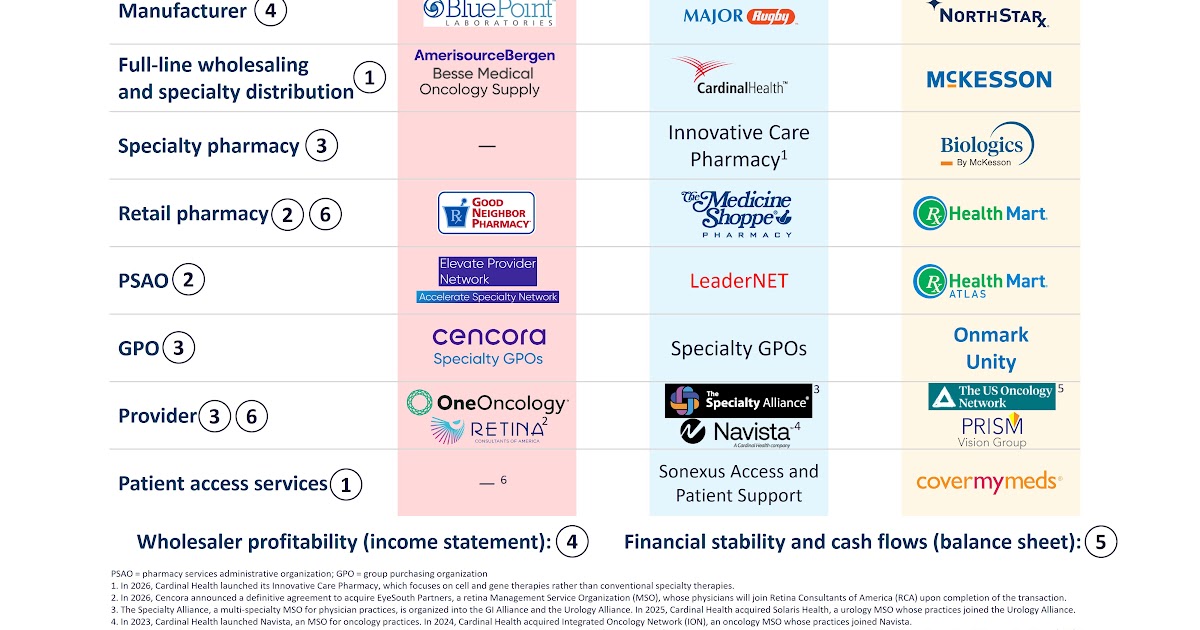
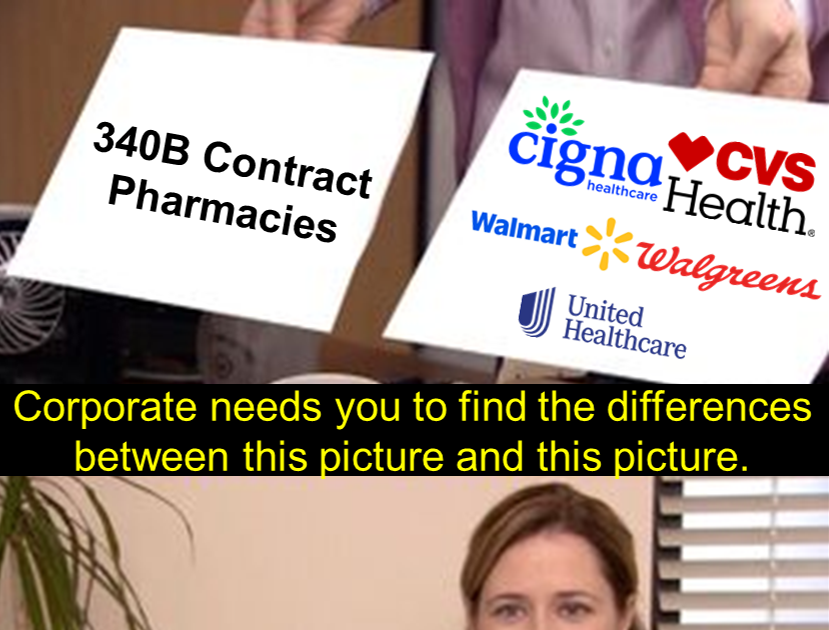
The 340B contract pharmacy marketplace now functions inside a tightly consolidated network dominated by major retail and PBM-owned chains. Drug Channels Institute’s 2026 analysis describes a mature, slower-growing market where Cigna, CVS Health, UnitedHealth Group, Walgreens, and Walmart hold 77% of all contract pharmacy relationships. That concentration makes maintaining accurate OPAIS data harder, since covered entities deal not just with independent pharmacies but with large systems managing hundreds of sites through central contracts.
Proving every registered site is actually eligible
Before a contract pharmacy appears on HRSA’s public database, the covered entity has to link it to an eligible registered site. Eligibility stems from the parent hospital’s or grantee’s 340B status, which HRSA re-verifies during audits by checking cost report line entries or grant documentation from the time of registration. If an outpatient department wasn’t already listed as a child site when its contract pharmacy was submitted, HRSA has treated that as diversion. Retroactive fixes don’t count.
Administrators often think that if a site bills under the hospital’s NPI, it qualifies for 340B. HRSA’s standard is stricter: the site must both appear on the cost report and be registered in OPAIS before dispensing begins. That’s where internal verification comes in, recording the cost center, cost report date, and service scope at submission. When HRSA later asks for proof, those records demonstrate that eligibility was confirmed upfront, not reconstructed later.
As larger pharmacy chains dominate contract relationships, entities now juggle eligibility across multi-state corporate networks. That scale makes disciplined pre-registration documentation essential so each site’s basis for participation remains clear even when thousands of pharmacies sit under one corporate parent.
Writing the contract HRSA expects to see
HRSA requires a written contract for every participating pharmacy. The agreement must lay out how 340B inventory is replenished, how diversion and duplicate discounts are prevented, and how records will stay auditable. HRSA has repeatedly cited compliance problems where contracts lacked these operational details or weren’t available at audit. Keeping an executed file on a shared drive isn’t enough, HRSA expects proof that the contract was in place before any 340B drug was dispensed and that it remains valid.
Blanket corporate contracts that cover multiple sites are acceptable, but each address in OPAIS must match a distinct physical pharmacy identified in that agreement. With just a few national chains now hosting the majority of contract sites, a wrong address or missing signature can affect dozens of relationships at once. Drug Channels data from 2026 shows nearly two-thirds of U.S. pharmacy locations now participate as contract sites, driving up the administrative load of managing these agreements accurately.
Internal control isn’t simply verifying a signature. The agreement should state who reviews dispensing data for 340B eligibility and how audit trails are maintained. HRSA auditors routinely ask to see how the entity confirmed a prescription belonged to an eligible patient. A signed contract alone doesn’t answer that, linked process documentation does.
Keeping OPAIS data accurate as things shift
After eligibility and contracts are set, the OPAIS record itself becomes the next test. HRSA expects OPAIS to reflect active relationships in real time. If a contract ends or a site closes, the change has to be logged immediately, not held for the next quarterly window. During audits, HRSA matches OPAIS records against purchasing data to check for accuracy.
The dominance of PBM and retail chains increases the odds of out-of-date entries. When mergers or reorganizations move pharmacy identifiers, OPAIS often lags. In networks where most relationships run through large for-profit parents, even small mismatches in corporate address versus what’s listed in OPAIS can appear as inaccurate reporting. It’s fixable, but in an audit, it still counts as a finding.
Accurate OPAIS files depend on communication. Compliance teams need to know when pharmacy divisions or partners make updates, and covered entities must validate all affected sites. Some organizations pull quarterly reconciliation reports from OPAIS, comparing data against addresses, DEA numbers, and expiration dates. What matters is traceability, the ability to show exactly how each field was kept current. HRSA doesn’t prescribe a format, only that an auditor can follow the chain of proof.
And there’s no easy way around it. HRSA’s patience for incomplete OPAIS data has shrunk as the 340B footprint has expanded. Recent audit findings show more attention to errors tied to the growth of contract pharmacies far beyond the program’s intended scope. The Drug Channels Institute describes that expansion as a structural split between 340B’s safety-net mission and the economic forces now driving its scale. That disconnect shows up in OPAIS, every outdated address or ineligible pharmacy reflects it.
Compliance as an ongoing record, not a quarterly rush
Most covered entities treat HRSA’s registration windows like deadlines. The stronger ones treat them as checkpoints in continuous data management. It shows in audits. When documentation lives and evolves, eligibility, contracts, OPAIS monitoring, auditors get screenshots, not explanations. Those that rush each April just rebuild the same trail year after year.
As consolidation deepens, success depends on seeing OPAIS as a reflection of daily operations. If the database isn’t right, the program’s accuracy probably isn’t either. With large PBM and retail players controlling most partnerships and HRSA tightening oversight, keeping OPAIS current has become a daily compliance habit, not a quarterly formality.
Sources
- The 340B Contract Pharmacy Market in 2026: A Maturing Industry Dominated by Big Chains and PBMs (Drug Channels, 2026-06-02)