When one encounter touches infusion, specialty, and 340B, the record either holds or breaks
A familiar 340B problem begins when an eligible patient moves from a clinic visit to an infused drug and then to a take-home specialty prescription, while different teams document different parts of the same course of care. The issue isn't abstract. Revenue integrity and 340B integrity separate quickly when eligibility, dispense records, charge capture, and payer billing live in different systems or operational silos.
That pressure matters more in the current environment. The 340B program isn't a side economy anymore. Drug Channels reported that discounted purchases under the 340B program reached $100 billion in 2025, with purchases 23% higher than in 2024. That scale raises the scrutiny around every inventory decision, accumulator, and handoff between infusion operations and specialty pharmacy workflows. Treating infusion, specialty, and 340B as adjacent functions instead of one controlled process builds compliance risk into the chart before the claim is billed.
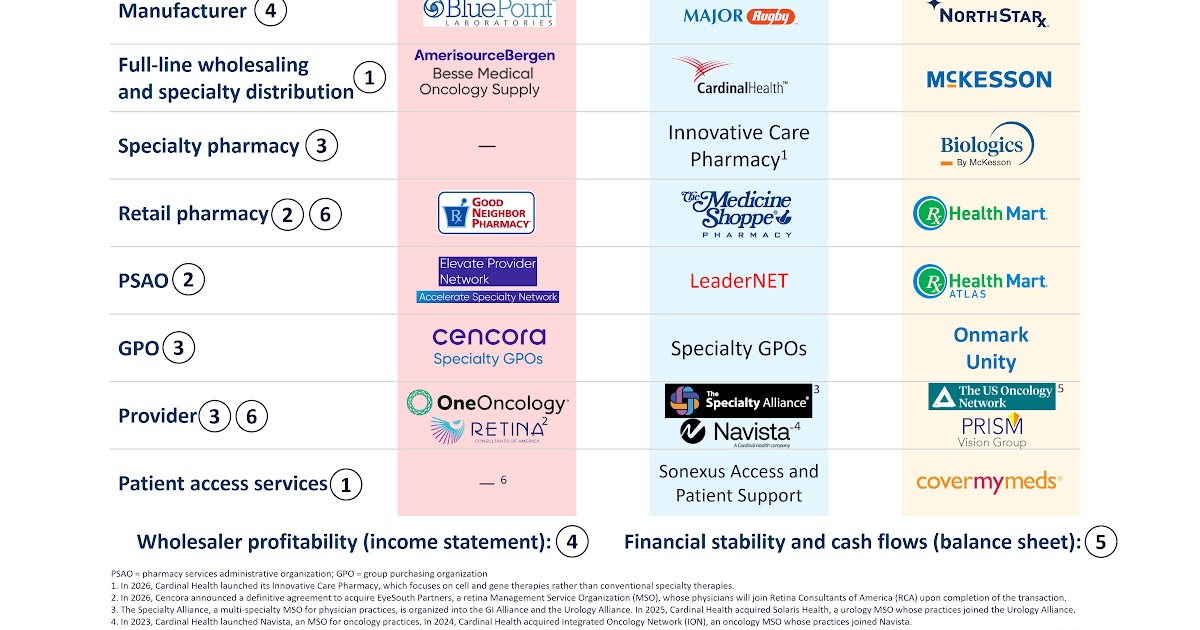
The same pressure is showing up across the broader channel. Drug Channels also reported that drug distribution revenues for the Big Three public wholesalers are projected to reach $933 billion in 2026, and that the largest wholesalers have invested more than $20 billion in physician management services organizations, transforming their roles in buy-and-bill markets. This isn't a narrow pharmacy story. It shows how closely specialty distribution, physician administration, and channel economics are connected. Covered entities need controls that match.
Integration is really about one defensible chain of evidence
People talk about integration as a service expansion. In 340B, it is better understood as a documentation discipline.
An infused product administered under a buy-and-bill model and a specialty prescription dispensed for home use can involve different reimbursement paths, pharmacy records, and operational owners. From a 340B standpoint, though, the covered entity still needs a defensible basis for using 340B inventory where permitted, avoiding duplicate discount exposure where that risk exists, and showing that the drug reached an eligible patient through an eligible encounter tied to the covered entity's care. If the infusion team reconciles administration after the fact while the specialty pharmacy uses separate eligibility logic, that isn't integration. It's parallel processing with audit consequences.
The useful work is boring, which is why some organizations skip it. The specialty intake team, infusion authorization team, pharmacy purchasing staff, and revenue cycle staff need the same operational answer to basic questions: who qualified, where the care occurred, which provider relationship supports the dispense or administration record, and how the claim pathway was chosen. The chart can't say one thing, the accumulator another, and the claim file something else. Once those records diverge, staff defend exceptions instead of running a controlled program.
Drug Channels' August 2026 roundup flagged HRSA's Revised 340B Rebate Model Pilot. Even without adding details that aren't in the source packet, the signal is clear enough for covered entities: 340B operational models are still moving, and data discipline matters more when claims, rebates, and channel validation face active policy attention. Integrating specialty and infusion at the contracting level but not the recordkeeping level sets the organization up to fail the easy questions.
Specialty pharmacy adds patient support value, but it also exposes weak 340B operations fast
Specialty pharmacy can improve a patient's path through access barriers because the work involves more than dispensing. Drug Channels' guest post on rare pharmacy describes clinical and operational work behind the scenes, including greater personalization, real-world evidence, and specialized clinical support. For a covered entity, that is the good side of integration. Patients dealing with complex therapies often need coordinated benefits work, refill management, adherence support, and communication across sites of care.
340B programs get into trouble when leaders see those capabilities only as a growth strategy and not as a compliance trigger. A high-touch specialty workflow creates more data, intervention notes, shipment events, benefit investigations, and opportunities for the pharmacy record to drift from the medical record. That drift isn't harmless. If the specialty pharmacy documents a covered entity relationship one way and the clinical side documents it another way, there is no patient care success story to point to. There is a reconciliation project.
Infusion has the same problem. Buy-and-bill operations depend on clean links between ordering, purchasing, administration, wastage documentation where applicable, and payer submission. Specialty pharmacy operations depend on clean links between prescription origination, fulfillment controls, and benefit pathway selection. When a covered entity integrates both, the hard part is not opening the service line. It is deciding which system is authoritative when records conflict and forcing staff to fix the root cause instead of carrying manual exceptions month after month.
That is where revenue integrity and 340B integrity stop being separate topics. A weak charge capture process distorts reimbursement. A weak eligibility process distorts 340B replenishment. Put those together in a specialty or infusion setting and the organization loses trust in its own data long before an outside party asks questions.
Wholesaler alignment and buy-and-bill economics raise the stakes for covered entities
The 2026 channel data in Drug Channels deserves the attention of any covered entity with infusion volume, specialty growth plans, or both. The report preview says the market's foundations are shifting through legislative intervention, pricing realignment, vertical integration, and alternative payment models, with a transition away from a rebate-driven system built on high list prices and toward a marketplace increasingly shaped by net prices. It also says the report examines the evolving economics of biosimilars, cell and gene therapies, the 340B Drug Pricing Program, and implementation of the Inflation Reduction Act.
Operationally, that matters because specialty and infusion programs sit inside those channel changes. They don't sit outside them. When wholesalers, specialty distributors, physician services, and buy-and-bill markets become more interconnected, a covered entity can't rely on old departmental boundaries. Pharmacy purchasing decisions affect clinic operations. Clinic documentation affects replenishment accuracy. Payer pathway choices affect both margin and compliance risk. Integration has to be designed on purpose.
Some organizations still divide the work this way: pharmacy handles 340B, infusion handles administration, finance handles revenue, and contracting handles specialty strategy. That arrangement produces blind spots. If a drug moves through a specialty distribution channel and then into a site-of-care decision, someone has to own the full control path from acquisition to patient-specific use or dispense. Without that ownership, the organization usually discovers the gap through denied claims, mismatched accumulations, or internal questions it can't answer cleanly.
What a practical 2026 operating model looks like
A workable model starts with a simple premise: specialty and infusion services should not be integrated only at the patient-facing level. They should also be integrated at the eligibility, inventory, billing, and audit-trail levels.
For a covered entity, that means one internal logic for when a drug is treated as 340B-eligible within its approved operational design, one reconciliation process between administration or dispense records and purchasing records, and one escalation path when the chart, claim, and accumulator don't agree. If staff have to guess which record controls, the process isn't mature enough for specialty and infusion complexity.
Leaders should also stop treating manual cleanup as proof that the system works. Manual intervention keeps claims moving, but it can hide broken workflows for a long time. In a 340B environment that Drug Channels describes as both massive and contested, that is bad program management. A late spreadsheet fix doesn't repair a weak source record.
There is a strategic point here, too. Drug Channels' coverage of the hidden cost of 340B for employers and health plans says those stakeholders have become major participants in the program's economics, even if they don't realize it. Covered entities should read that as a warning against sloppy internal narratives. If an organization says integration is about better patient care, the documentation and billing controls need to support that claim. If the operational design looks like it is chasing spread without consistent records, outside stakeholders won't give the organization the benefit of the doubt.
Specialty and infusion integration supports patient care. It supports cleaner revenue capture. In the 2026 340B environment, neither benefit is durable unless the covered entity can prove what happened, why it qualified, and how the claim and inventory records line up. The difference between a service expansion and a compliance problem wearing a growth story.
Sources
- The 340B Program Hit $100 Billion in 2025: Has It Become Too Big to Reform?
- Preorder DCI’s New 2026-27 Economic Report on Pharmaceutical Wholesalers and Specialty Distributors
- Drug Channels News Roundup, August 2026: 340B Rebate Model v2, Patients Feeling Drug Costs, Specialty Drug Spending Drivers, Impact on Coverage from the IRA, and a Drug Price Adventure
- Invisible Work of Rare Pharmacy Delivers Highly Visible Patient Outcomes
- The Hidden Cost of 340B for Employers and Health Plans