Why HRSA Cares About Virtual Inventory Models
When an FQHC uncovers that its contract pharmacy’s virtual inventory report fails to align with wholesaler data, that mismatch is more than a bookkeeping concern, it’s a potential HRSA finding. As the 340B Drug Pricing Program expanded to $100 billion in discounted purchases for 2025, according to Drug Channels Institute, HRSA intensified its oversight of how covered entities document each unit from dispense to replenishment. The program’s size has raised the stakes, turning “auditable records” into core evidence that every 340B-eligible fill connects to a qualified patient encounter, and that no ineligible prescription drew from 340B stock.
HRSA’s current rules do not require a physical separation between 340B and non-340B inventory in most community or contract pharmacy setups. Instead, covered entities rely on a virtual inventory model, dispensing from shared physical stock while using software to retrospectively determine whether each unit is 340B-eligible. HRSA permits that setup only if it cleanly prevents diversion or duplicate discounts. During audits, the agency tests whether replenishment and eligibility documentation reconcile exactly with the dispensing activity logged in those systems.
What a Compliant Virtual Inventory Looks Like
According to HRSA’s audit playbook, a compliant virtual inventory system documents three linked actions: dispense to an eligible patient, assignment of that dispense to the 340B account, and replenishment purchased through 340B pricing. Purchasing and dispensing data must align by NDC, date, prescriber, site, and patient status. There’s no mandate for physical segregation beforehand, but the reconciliation afterward must be precise.
The model holds up only when the entity’s split-billing or third-party administration platform accurately tracks accumulation and triggers purchasing. Drug Channels Institute’s 2026 outlook notes that these vendors now sit at the center of 340B operations. HRSA auditors routinely test whether covered entities retain sufficient control or if they’ve handed over too much authority to vendors. Under HRSA’s view, accountability never transfers, covered entities own the results, even when the vendor keeps the files.
In one 2025 system audit, HRSA disallowed certain outpatient fills after determining that the vendor replenished them under the wrong clinic file. The health system blamed an algorithmic error, but HRSA held the entity responsible for inadequate oversight. A virtual inventory isn’t protection, it’s a ledger that must withstand audit scrutiny.
Purchase Tracking and the Audit Trail
At the center of HRSA oversight is a closed loop: each drug dispensed to an eligible patient must trace through accumulation and purchase records all the way to an invoice. Replenishment happens only after a qualifying dispense. If any order appears before that threshold or cannot link back to an eligible transaction, HRSA flags it. Examiners often review a small record sample to test whether the entire process can be trusted.
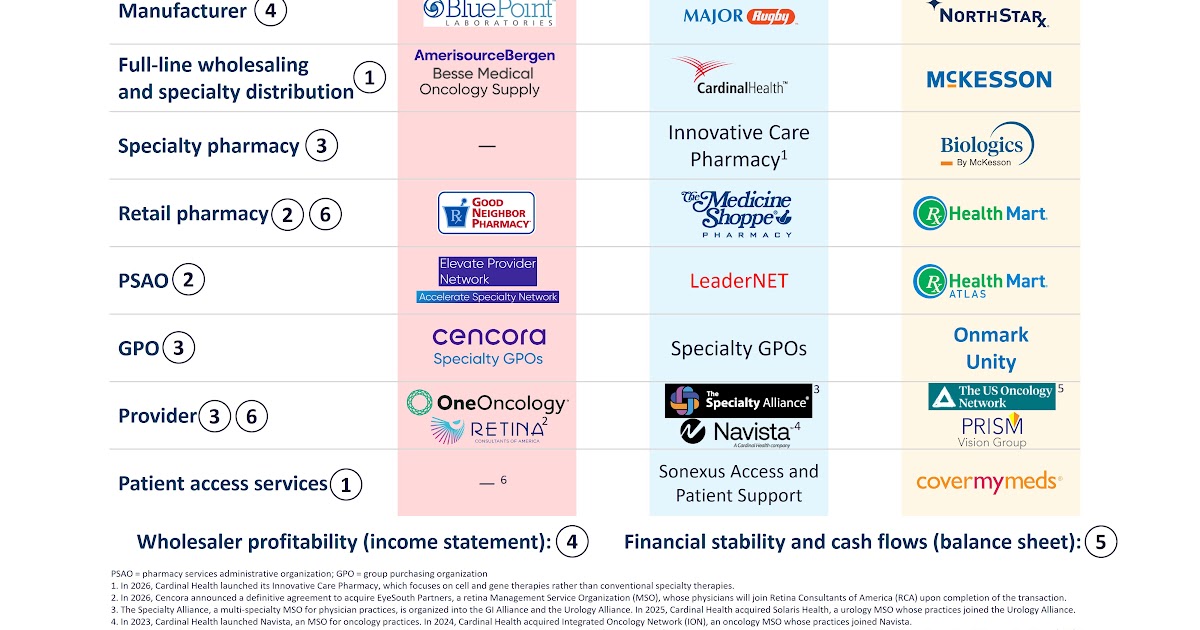
Drug Channels Institute reported in 2026 that large national pharmacy chains and PBMs, Cigna, CVS Health, UnitedHealth Group, Walgreens, and Walmart, now control 77% of contract pharmacy arrangements. That consolidation means HRSA’s audit targets often involve enormous, disjointed data sets from multiple systems. When a hospital’s purchases misalign with the dispensing files of a retail partner, HRSA expects the covered entity to demonstrate parity, not assume it. Cross-system reconciliation has become a defining skill for compliant 340B management.
Auditors also scrutinize purchase timing closely. When 340B orders post days before the related accumulation, HRSA usually reads it as front-loading. Covered entities must show that replenishment is triggered by actual dispenses documented in encounter systems, not by projections. A real audit trail ties together fill events, accumulations, invoices, and payments under one verifiable record path. Nothing left floating.
Auditable Dispensing Records and Compliance Reality
To HRSA, an auditable dispensing record proves eligibility at the transaction level: there must be a documented provider-patient relationship, the encounter must occur at a qualified site, and the prescription must flow from that encounter. Whether stored in an EHR or pharmacy system, the link has to be solid. Logs missing encounter details risk diversion findings.
Yet even technically compliant data can draw HRSA findings if entities ignore transaction-level exceptions. A common problem, a clinic location code mismatch between the EHR and split-billing file, creates a false appearance of ineligibility. HRSA expects such discrepancies to be flagged and fixed before audits, ideally captured in regular self-reviews.
The program’s $100 billion scale allows HRSA to use recurring patterns as evidence of larger weaknesses. Small errors that seem trivial in yearly reconciliations can multiply into major exposures across large data sets. HRSA doesn’t need intent to demand repayment, only inadequate documentation.
As the program matured, HRSA shifted focus toward verifiable control. Drug Channels Institute’s 2026 analysis characterizes this phase as one defined by “transparency and accountability.” Entities still operating on spreadsheets instead of system-led reconciliation now face greater exposure. The oversight bar keeps moving higher.
Creating a Defensible 340B Replenishment Process
HRSA’s model emphasizes command over data integrity more than physical inventory. Covered entities should routinely reconcile accumulations with dispensing data, match each 340B purchase to verified patient encounters, and ensure vendors can produce raw records immediately. Any mismatch, dates, documentation, encounters, needs correction before HRSA gets involved.
The 340B Drug Pricing Program’s complexity has drawn sustained attention from policy analysts, including Adam J. Fein, Ph.D., whose DCI briefing 340B in 2026: Market Shifts, Policy Battles, and What They Mean for Stakeholders underscored the same core message: compliance in a virtual inventory world depends less on technology branding, more on proof that every dispense, purchase, and record line up. For covered entities operating among national chains and PBMs, that threshold is only going to rise.
Sources
- The 340B Program Hit $100 Billion in 2025: Has It Become Too Big to Reform? (Drug Channels Institute, 2025-06-15)
- The 340B Contract Pharmacy Market in 2026: A Maturing Industry Dominated by Big Chains and PBMs (Drug Channels Institute, 2026-06-02)
- 340B in 2026: Market Shifts, Policy Battles, and What They Mean for Stakeholders (Drug Channels Institute, 2026-06-12)