Any 340B administrator knows the stress of a file mismatch right before a HRSA audit. The split-billing system flags a purchase that doesn’t line up with a dispensing record, the wholesaler questions an invoice, and suddenly audit prep turns into damage control. The cause is rarely dramatic, it’s usually a configuration miss: a broken interface, mismatched identifiers, or an off-balance virtual inventory. Aligning purchases, dispenses, and inventory is the single largest factor in staying audit-ready.
What 340B oversight looks like in 2026
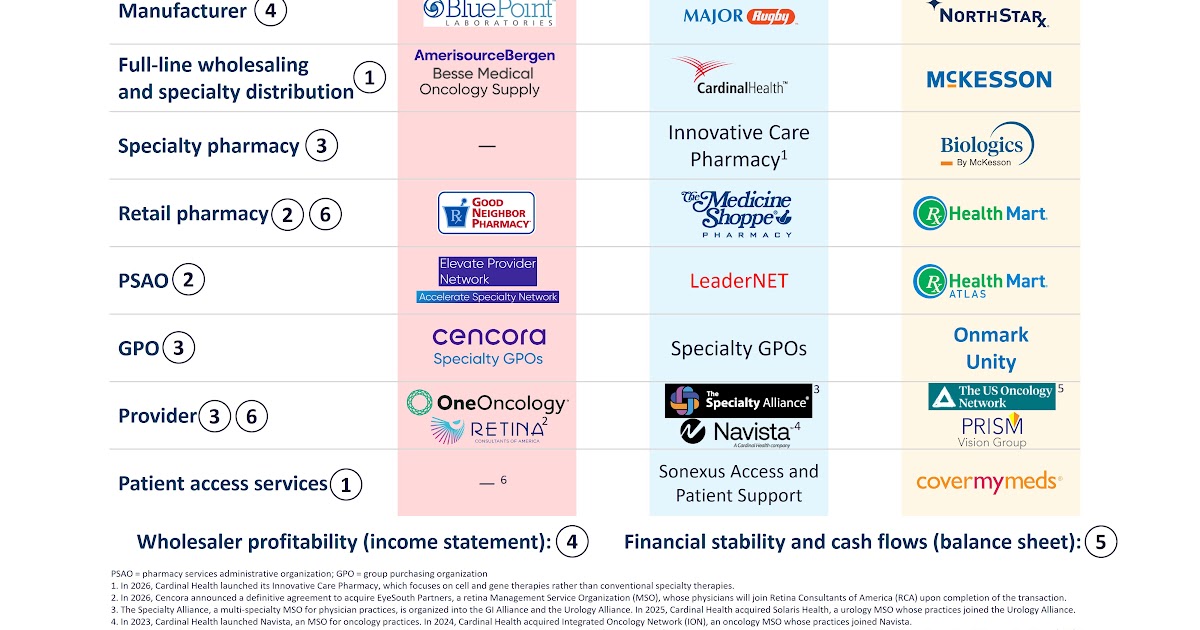
The Drug Channels Institute’s 2026 briefing led by Adam Fein describes the 340B marketplace as part of wider “market shifts and policy battles” that now define the flow of drug pricing data. Covered entities face a program still grounded in eligibility and purchase rules but operating inside an increasingly consolidated pharmacy network. Five players, Cigna, CVS Health, UnitedHealth Group, Walgreens, and Walmart, now dominate 340B contract pharmacy arrangements. More consolidation means more interfaces and more risk of incomplete or misclassified transactions coming through the split-billing system.
HRSA’s audit model lags behind the technology, but its enforcement is now data-first. Auditors expect transaction-level proof that every discounted purchase ties to a qualified encounter and valid prescription. If your configuration can’t link all three data sets, you’re vulnerable. Software setup isn’t an IT exercise anymore, it’s the center of compliance.
Getting virtual inventory right
Within a 340B split-billing platform, virtual inventory is an accounting system, not a shelf of product. Misaligned setups are the most common cause of diversion findings. When the configuration doesn’t mirror actual wholesaler accounts, purchases fall under the wrong account or dispenses get counted twice. That’s how “phantom accumulations” appear, transactions that look 340B-eligible but don’t meet the program definition.
A sound setup starts with a clean organizational map. Covered entities must define which in-house sites, prescriber groups, and replenishment accounts actually qualify under 340B. Each dispensing location links to one account type in the split-billing platform, no overlaps, no gaps. That structure lets the software cleanly separate 340B, GPO, and WAC pools without manual work. It should reflect what’s happening in purchasing, not what should happen. Auditors spot that quickly when they trace sample transactions.
Tying purchases and dispenses together
When purchase imports trail dispensing data, reconciliation breaks. Some hospitals still rely on nightly or weekly imports, creating timing gaps and misposts. HRSA doesn’t specify a sync schedule, but auditors read stale purchase data as a warning for duplicate discounts. Automation should follow the wholesaler’s invoicing rhythm so a 340B purchase aligns precisely with the dispenses that triggered it.
Dispensing data integration is trickier. EHR systems, outpatient pharmacy programs, and contract pharmacy TPAs use different identifiers. A stable configuration translates those into the common language your platform expects. When a mapping table fails or a data feed changes format, accumulations flicker in and out, and that’s often your first exposure flag. It usually points to prescriptions that shouldn’t qualify anymore after a prescriber leaves or a site closes.
The 2026 Drug Channels analysis on technology vendors made clear that these tools now shape the economics of 340B itself. That makes configuration stability as much a financial issue as a compliance one. If accumulations drift, the discounts disappear, or worse, trigger repayments.
Reconciling data and preparing for audits
No setup is perfect. Even strong systems generate exceptions, dispenses that don’t map anywhere. HRSA looks for proof of oversight. Each exception must be reviewed, labeled, and explained, showing why it’s excluded from 340B replenishment. Perfection isn’t expected, traceability is.
Treat every monthly reconciliation report like an audit packet. Purchases should match wholesaler invoices, dispenses should represent real outpatient activity, and the virtual inventory ledger should show when accumulations hit purchase order thresholds. During an audit, expect to be asked to walk step-by-step through a drug line, from dispense to invoice. A bad rule that auto-assigns a transaction will crumble under that review.
Governance around configuration changes matters too. Adding a location, rewriting eligibility logic, switching TPAs, each step should be logged with date, reason, and approver. When HRSA examines an audit window that crosses rule changes, you’ll need the record showing which configuration applied that day.
Keeping up as consolidation tightens control
In 2026, with a handful of giant pharmacy chains and PBMs steering most 340B processes, administrators operate inside data systems they don’t fully control. Vendor dependencies bring new compliance risks, software updates that shift data mapping, wholesaler integration failures, and manufacturer portals that update without warning. Post-update testing has to confirm that accumulations still fit HRSA’s definition of an eligible encounter.
Fein’s upcoming webinar, “340B in 2026: Market Shifts, Policy Battles, and What They Mean for Stakeholders,” centers on that same intersection of policy and automation. It reinforces a simple point: audit readiness isn’t about cleaning up files, it’s about holding critical systems together with defensible data. A misconfigured split-billing rule can undo compliance faster than any spreadsheet mix-up. The entities that stay clear through audits will be the ones treating configuration management as an ongoing discipline, not a task finished at go-live.