When the drug is eligible but the ordering path isn't
A familiar 340B problem starts after eligibility has already been decided. The patient qualifies, the prescription fits your policy, and the split-billing logic is clean. Then the product can't be purchased through the account structure the program normally uses because the manufacturer, specialty distributor, or limited distribution network controls where the drug can move.
That disconnect is where programs get into trouble. Staff try to solve an access problem with an inventory shortcut. Someone asks whether the covered entity can buy outside the usual 340B pathway and fix it later in software. Someone else suggests replenishing from a different account because the drug is hard to source.
That's exactly the kind of operational drift that creates audit exposure. If the ordering channel, replenishment method, and claim record don't match, you don't have a clean 340B story.
In 2026, nobody running a serious program should treat manufacturer restriction management as a side issue. Drug Channels recently highlighted how claims-level transparency has become central as manufacturers deal with the complexity of 340B and other pricing programs. Although that piece speaks from the manufacturer side, the message lands just as hard for covered entities: if you can't reconstruct what happened at the claim and purchase level, you're relying on hope, not compliance.
Limited distribution breaks the neat theory of accumulations
On paper, 340B operations divide into clean functions: eligibility, accumulation, ordering, and dispensing. Limited distribution drugs don't respect those boundaries.
A restricted product can force a covered entity to use a specialty pharmacy channel, a specialty distributor, a manufacturer-designated fulfillment path, or a nonstandard account setup. Once that happens, the usual assumptions about virtual inventory, replenishment timing, and wholesaler substitution can fail.
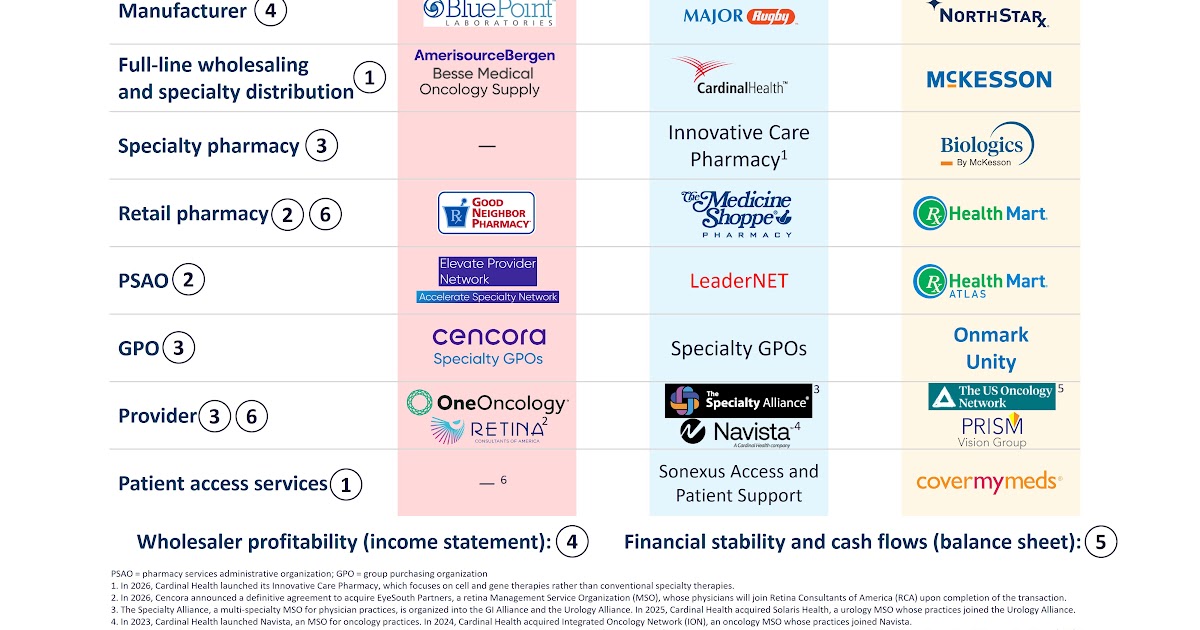
Drug Channels Institute's 2026-27 report announcement points to broader channel change, noting that the foundations of the drug channel are shifting. It also notes projected 2026 revenues for the Big Three public wholesalers and major wholesaler investment in physician management services organizations. Those facts don't establish a 340B rule, but they make the practical point: distribution channels are getting more complex, not less, and 340B controls have to keep pace.
The bad compliance move is treating a limited distribution product as operationally identical to an unrestricted self-administered generic. It isn't. A restricted product needs a product-specific process: a written decision on whether it can be acquired through a 340B-eligible channel, which account will be used, who approves exceptions, and how the record will show that the workaround created neither a duplicate discount nor a diversion issue.
Don't let accumulation software make the legal decision for you. Software can flag an opportunity. It can't convert a noncompliant purchasing path into a compliant one.
Ordering alternatives need a policy before the first emergency request
The real test comes when the clinical team needs the drug immediately and operations hasn't built the pathway yet.
That's when ad hoc ordering starts. A buyer places the order on whatever account can access the product. A pharmacy team member assumes the system will sort it out later. Then finance wants to know whether the claim should stay carved in, whether a replacement purchase is allowed, or whether the encounter should be excluded from 340B entirely.
If those answers depend on who happened to be on duty that day, the program has a control failure. No elaborate theory required.
A workable restriction management policy should state, in plain language, what the program will do when a product is subject to manufacturer or channel limits. It doesn't need to invent authority that isn't there. It needs to document operational choices.
For example, the policy can require a pre-purchase review confirming the source of the drug, the account used, whether the product can be tied back to an eligible 340B dispense or administration record, and whether the acquisition path creates a reason to exclude the transaction from 340B replenishment. If the organization uses multiple pharmacies, mixed replenishment models, or separate specialty workflows, the policy should require those teams to use the same decision tree.
One sentence in the policy matters more than people think: when the acquisition path doesn't support compliant 340B replenishment, the transaction stays out. Programs get burned when they try to rescue margin after the fact.
That matters even more in a market where wholesaler and specialty distributor roles keep evolving. Drug Channels Institute's current report materials describe continued expansion in the U.S. prescription drug market while channel structures shift. That doesn't tell you what HRSA would decide on a specific fact pattern, but it supports a practical conclusion every administrator should already accept: unusual purchasing paths need tighter documentation, not looser judgment.
What audit-ready documentation actually looks like
Most restriction files are too thin. They contain emails complaining that the drug was hard to get and perhaps a screenshot of an unavailable wholesaler item. That's not enough.
If a manufacturer restriction affects 340B handling, the file should show the compliance logic from start to finish. Keep the notice or communication establishing the restricted channel, if you have it. Keep the internal review explaining whether the product can be purchased through an eligible path. Keep the account record, order confirmation, dispense or administration record, and determination of whether the transaction was included in or excluded from 340B replenishment.
If the covered entity changed its normal process, the file should also show who approved the exception and why.
This is where transparency stops being a slogan and becomes a defensive tool. Drug Channels' discussion of claims-level transparency frames it as increasingly important in the face of 340B complexity. For a covered entity, that means lining up utilization, pricing treatment, discounts, and ordering records without gaps. If you can't trace the product from patient-qualified event to compliant acquisition record, the documentation isn't finished.
A strong file separates facts from assumptions. Record what the restriction actually did to your purchasing options. Record whether the entity had an alternative 340B-accessible route. Record what the system did with the claim and whether anyone manually overrode the default logic. An auditor doesn't need a dramatic narrative. They need a coherent record.
The scenario administrators recognize right away
Consider a specialty medication dispensed through a pathway outside the normal wholesaler flow. The encounter is eligible under the standard patient definition and prescribing rules, and the accumulator captures it. A few days later, purchasing can't find a matching 340B replenishment route through the account structure usually tied to that location.
Operations is left with two bad instincts: force the replenishment somewhere else or ignore the mismatch because the patient was eligible.
Both miss the point. Eligibility alone doesn't clean up an invalid purchasing trail, and product access problems don't excuse unsupported replenishment. The right move is to pause, classify the event under the restriction policy, and decide whether the transaction belongs in 340B based on the actual acquisition path available to the covered entity. Then document that decision so the same drug doesn't trigger a different answer next week.
There isn't much value in pretending these cases are rare edge conditions. Current industry programming aimed at government pricing and reporting already treats 340B, specialty distribution, dispute resolution, and compliance complexity as intertwined topics. Drug Channels' coverage of the Medicaid Drug Rebate Program Summit describes 2026 programming that includes 340B among a wider set of government pricing issues and notes direct state engagement with more than 31 confirmed states. That doesn't create a rule for covered entities, but it reflects the compliance environment: channel complexity and pricing oversight now sit in the same room.
The covered entities that handle restrictions best usually do one thing differently. They refuse to let access pressure rewrite inventory controls. If the drug can be handled compliantly, they build the path and document it. If it can't, they exclude it and keep the file. That's not glamorous, but it holds up.