The trouble usually starts after the invoice looks clean.
A covered entity buys a drug through its wholesaler account, compares the charged amount with its internal 340B expectation, and finds a mismatch. Not a dramatic one. Just enough to force a decision. Was the package billed incorrectly? Was the price file stale? Did the wholesaler apply the wrong contract indicator? Or did the manufacturer issue a later adjustment that accounting never tied back to the original purchase? This is where ceiling-price verification stops being a spreadsheet exercise and becomes a compliance control.
That pressure is getting harder to ignore. Drug Channels said in 2026 that claims-level transparency has become increasingly important as manufacturers deal with the growing complexity of 340B and other drug pricing programs. The same logic applies on the covered-entity side. If your program cannot show how it moved from package identifier to expected 340B acquisition price, then to discrepancy research, then to credit or refund reconciliation, you do not really have verification. You have a spot check.
Package-level verification lives or dies on product identity
Start with the exact package that was purchased and stay with it through resolution. That is the cleanest way to verify a ceiling price. It sounds obvious, but internal reviews still get muddied by comparing a charge for one package presentation with an expected price built from a different presentation, a different unit basis, or a crosswalk that accounting understands but pharmacy cannot defend.
For a covered entity, the operational question is straightforward: Is the product on the wholesaler invoice the same product in the split-billing or purchasing system and in the internal discrepancy log, at the same package level? If those records are not aligned, every later step gets weaker. A manufacturer credit tied to one item can be booked against another. A wholesaler rebill can fix the accounting entry while leaving the compliance record unresolved. Months later, the file looks complete until someone asks for the support.
The verification file therefore has to preserve the chain of identity, not just the final price conclusion. Working papers should show the package actually purchased, the source of the expected 340B price used by the entity, the invoice detail that triggered review, and the final disposition. If your team cannot hand that package-specific story to finance, pharmacy, and compliance without rewriting it, the control is too loose.
Drug Channels' 2026 commentary on transparency is framed around claims-level visibility, discounts, and utilization. The practical lesson for covered entities is similar: verification is strongest when the record is granular enough for someone outside the day-to-day purchasing team to follow the transaction without relying on tribal knowledge.
What a usable discrepancy file actually needs
Most discrepancy files fail for a boring reason: they capture the complaint but not the proof.
When a charged 340B price does not match the entity's expected package-level price, the file should show what was purchased, what was charged, what price the entity expected, where that expectation came from, who reviewed it, what follow-up was sent, and how the issue was resolved. Basic, but essential. If one of those pieces is missing, the record starts to look like a conclusion in search of support.
A practical file usually needs these elements:
- the invoice or wholesaler transaction record for the exact package purchased
- the internal record showing the expected 340B price for that same package
- notes or correspondence showing when the discrepancy was identified and escalated
- documentation of the resolution, including any credit, rebill, refund, or denial
Keep the narrative short and factual. Do not write around the problem. If the price source used internally was outdated, say so. If the wholesaler corrected the charge after the initial bill, keep both records. If the manufacturer's adjustment arrived later and had to be matched manually, document that matching step. A discrepancy log that says only “resolved” is almost useless. It tells nobody whether the entity paid the correct 340B amount, whether the credit was complete, or whether the same error can happen again.
This matters even more in a channel that Drug Channels describes as shifting under pressure from pricing realignment, legislative intervention, vertical integration, and alternative payment models. Its 2026 report announcement says the market is moving away from a rebate-driven system built on high list prices and toward one shaped increasingly by net prices. Covered entities do not need to adopt any grand theory from that statement. They need to recognize the operational consequence: the more moving pieces there are in the channel, the weaker a hand-waving discrepancy process becomes.
Credits and refunds are where reconciliation usually breaks
Identifying a discrepancy is rarely the hardest part. The hard part is proving that the financial correction fixed the original problem.
A manufacturer credit, wholesaler credit, refund, or rebill can close the dollar issue while leaving the compliance file open. That is the trap. Finance sees the money move and assumes the matter is done. Pharmacy sees the original mismatch and assumes someone else handled the correction. Compliance is left with fragments.
A defensible reconciliation process ties each credit or refund back to the original package-level discrepancy record and shows whether the correction was full, partial, or unrelated. If the entity receives a lumped adjustment covering multiple items, the support has to show how each line was matched. If the correction comes through a channel different from the original purchase trail, the file should explain that too. Otherwise, the entity ends up with an attractive general ledger entry and a terrible audit record.
One real-world scenario administrators will recognize is the delayed adjustment that lands after the buyer has moved on to the next ordering cycle. The price issue was flagged. An email went out. Someone replied that a credit would be forthcoming. Weeks later, a credit appears with limited description. The amount looks plausible, so it gets posted. But unless someone ties that credit to the original transaction support and updates the discrepancy log, the file still reads like an unresolved overcharge.
Reconciliation cannot sit only with accounts payable. The people posting the credit often do not control the verification logic, and the people verifying the ceiling price often do not control the posting. The handoff has to be explicit. Otherwise, the pattern is familiar: valid concern, partial research, financial adjustment, no closed-loop documentation.
Don't confuse operational fixes with a defensible compliance process
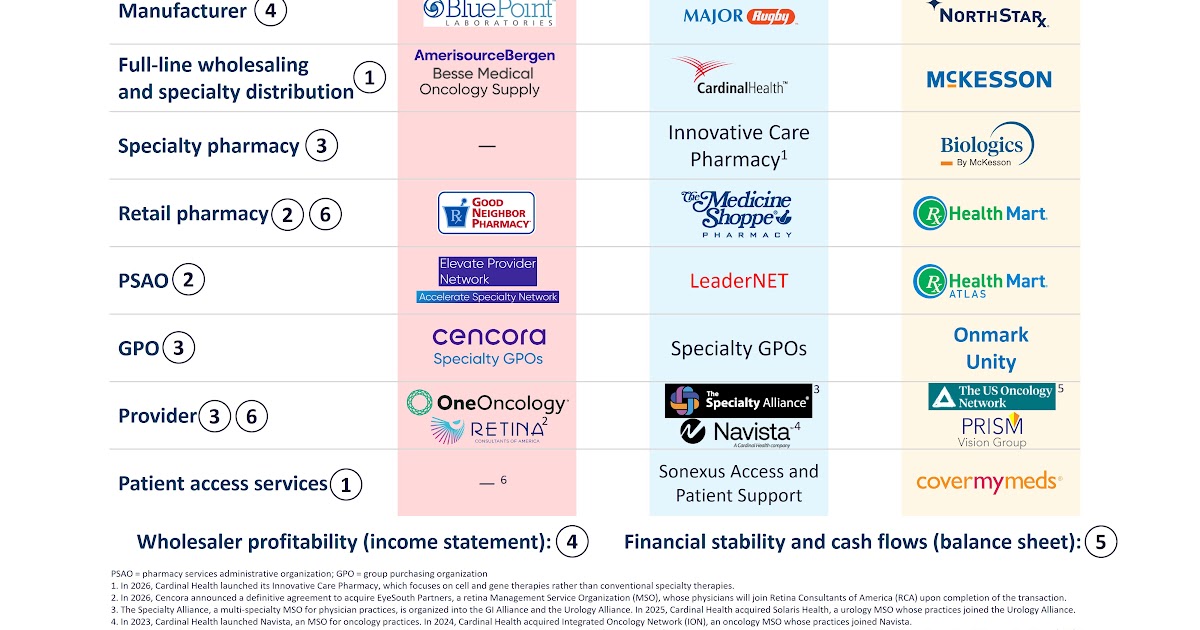
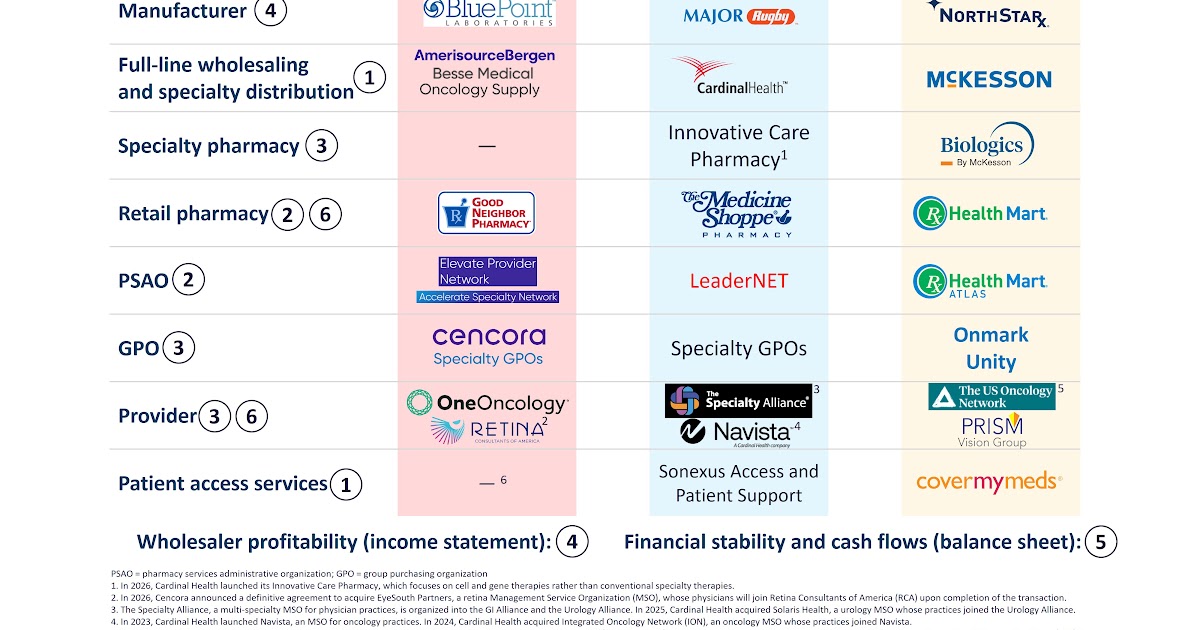
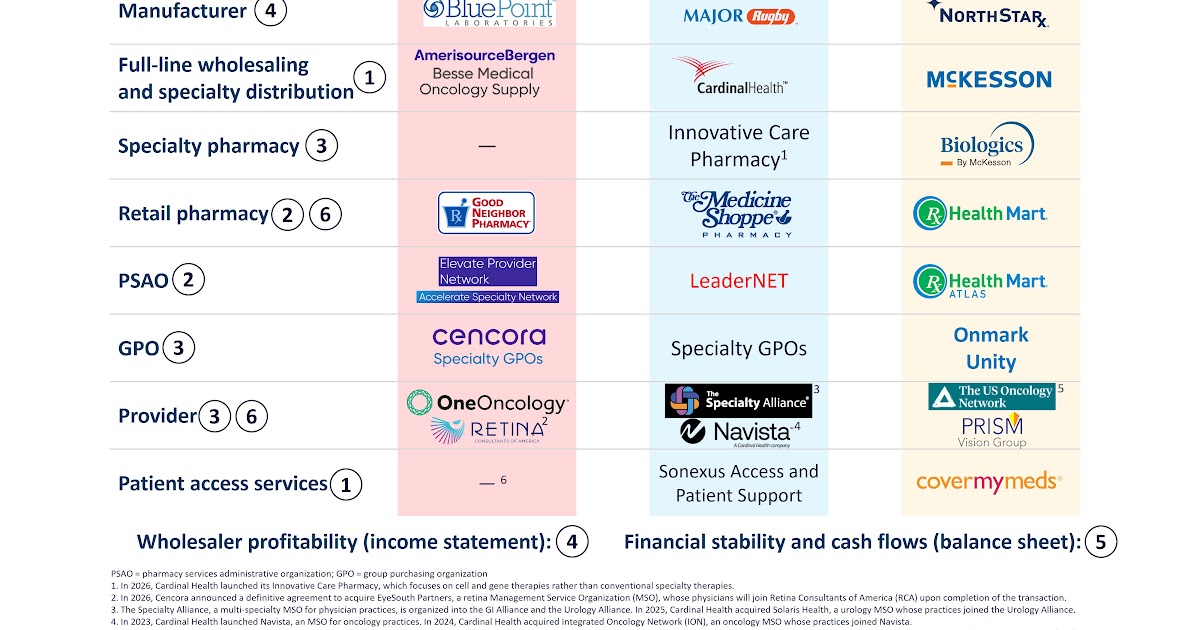
Covered entities are dealing with a drug channel that continues to change. Drug Channels reported that drug distribution revenues for the Big Three public wholesalers are projected to reach $933 billion in 2026, while growth has slowed from double-digit to mid-single-digit rates. It also reported that the largest wholesalers have invested more than $20 billion in physician management services organizations, changing their role in buy-and-bill markets. Those facts do not tell you what your ceiling-price verification policy should say. They do show that wholesaler relationships, distribution economics, and data flows are not standing still.
The internal control has to be boring, disciplined, and repeatable.
Calculate at the package level. Preserve the source used for the expected 340B price. Save the invoice support that triggered the review. Record the outreach and response. Reconcile the credit or refund to the exact discrepancy. Then close the item only when the file shows both the pricing issue and the financial resolution.
What you do not want is a process built on memory, inbox searches, and the assumption that a later credit means the original charge was corrected properly. That kind of process can function for a while. It just does not hold up when somebody asks the next question, which is usually the right one: show how you know this package was billed correctly in the end.