A 340B program tends to break in familiar places. A clinic encounter is documented in one system, the infusion administration in another, the specialty prescription somewhere else, and the replenishment file still assumes those records will line up on their own. They often don't. Unless the SOP forces the records into one auditable story, the process depends on hope instead of control.
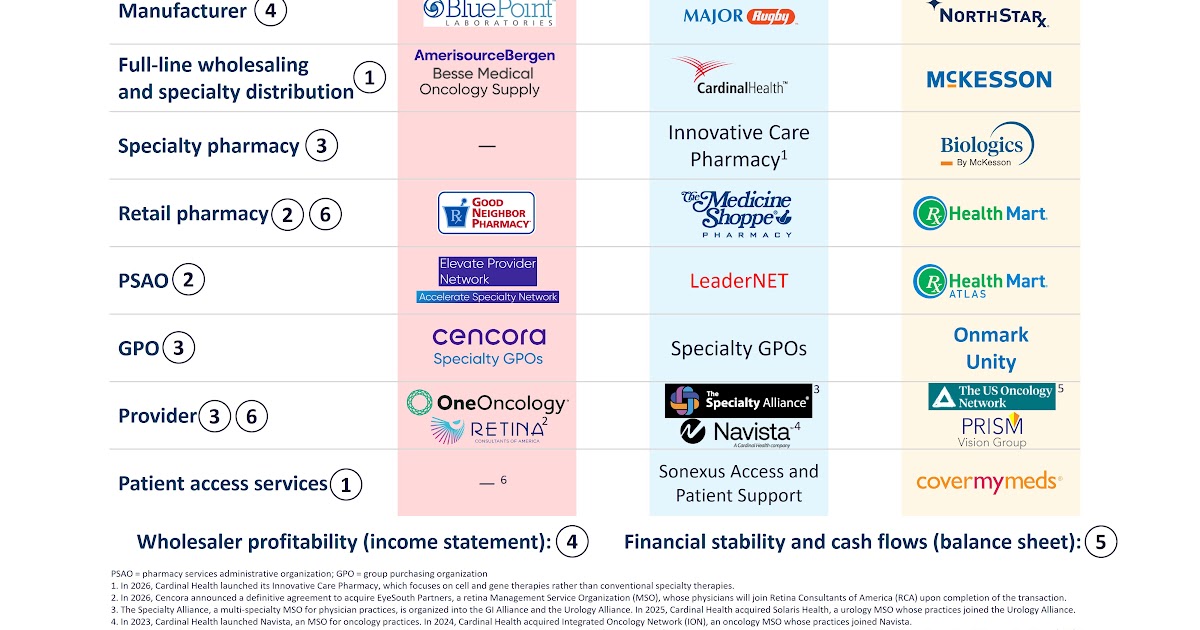
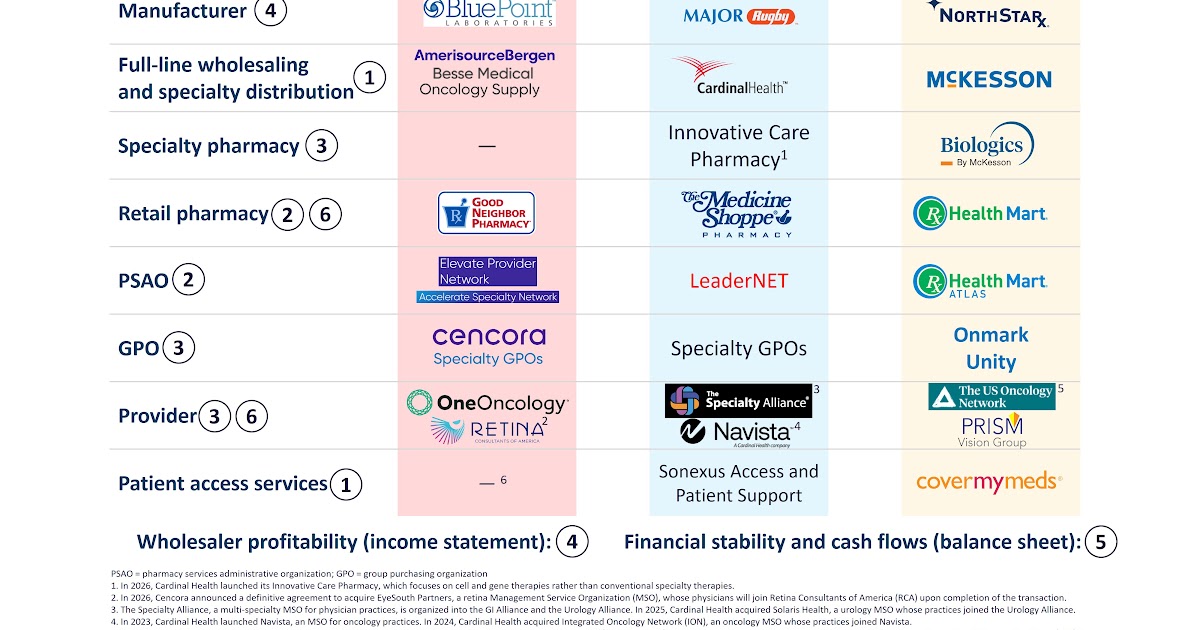
That matters even more as the broader drug channel shifts around covered entities. Drug Channels Institute said the U.S. prescription drug market continues to expand while the channel's foundations change, with legislative intervention, pricing realignment, vertical integration, and alternative payment models accelerating the shift. It also reported that the largest wholesalers have invested more than $20 billion in physician management services organizations, transforming their roles in buy-and-bill markets. For 340B teams, an SOP can't stop at purchasing. It has to control how eligibility is determined and how replenishment is triggered across care settings that operate differently.
Start with the encounter, not the drug order
The worst 340B SOPs begin with split-billing software steps. That's backwards. Eligibility must be established before replenishment logic matters.
Build the SOP around the patient encounter as the anchor record, then require every downstream transaction to tie back to it. In a clinic, that usually means connecting the visit record, ordering clinician, medication order, and dispensing or administration record in a way the team can verify. At an infusion center, the administered drug record must match both the order and the documentation of what was given. At a specialty pharmacy location, the dispense event must tie back to a valid order arising from care furnished through the covered entity.
The gaps become obvious during an audit. One department uses scheduling status as a proxy for a completed visit. Another relies on an order timestamp without a completed administration record. The pharmacy replenishes from a dispense that was never reconciled to the final charted encounter. A usable SOP identifies the controlling source record when those records conflict. Without that instruction, staff make the decision one exception at a time.
Build the SOP around record hierarchy. State which documentation source controls, which source supports it, and which source cannot establish eligibility alone. That distinction separates a policy that can withstand review from one that fails when a location adopts a new workflow.
Clinics, infusion, and specialty pharmacy can't share one lazy workflow
Organizations often write one replenishment procedure and call it enterprise standardization. In practice, they create enterprise confusion.
Clinic-administered drugs, infusion center administrations, and specialty pharmacy dispenses follow different operational paths. The buying account can differ. Charge capture can occur at a different point. The transaction can become final on a different schedule. Reversal risk is different as well. The SOP should acknowledge those differences instead of burying location-specific rules in training slides that nobody reads.
For clinics and infusion settings, the central question is whether the administered unit is final enough to replenish. A process that triggers too early allows reversals and waste documentation to create a mismatch between what was purchased on 340B and what was actually administered. A process that triggers too late causes accumulations to lag and puts pressure on purchasing teams to cut corners. The SOP needs to identify the event that authorizes replenishment in terms the pharmacy, nursing, and revenue cycle teams all recognize.
Specialty pharmacy introduces another failure point. A clinically valid prescription can still be blocked by prior authorization, limited distribution, inventory routing, or a handoff between internal and external dispensing paths. The SOP must state when a dispense becomes a replenishable event and how it handles transfers, reversals, and abandoned fills. Otherwise, activity that never became a completed dispense ends up being counted.
Drug Channels Institute's current reporting on pharmaceutical wholesalers and specialty distributors is a useful reminder. Its 2026 to 2027 economic report examines the changing economics of specialty distributors and the 340B Drug Pricing Program within a shifting channel environment. It does not provide an eligibility rulebook. It does reinforce the practical point: specialty and buy-and-bill operations are no longer side notes. They need explicit SOP language.
Write the replenishment section like an auditor will trace it line by line
Most replenishment errors are not dramatic. They are repetitive. A location is added without a validated accumulator build. Carve-in status is assumed instead of confirmed. A replacement purchase is triggered from a transaction feed that includes nonfinal activity. The problem stays hidden until someone has to explain why the inventory trail does not reconcile.
The SOP should explain how accumulations are created, what edits occur before replenishment, who reviews exception queues, and what documentation is retained when automation fails. Do not hide the exception process. That is where much of the compliance risk sits.
Consider a common sequence: an infusion center changes its charting workflow after an operational upgrade, administration documentation begins posting later than before, and the split-billing logic continues looking for the old event sequence. Replenishment continues, but it now relies on incomplete timing logic. On paper, nothing changed. In practice, the transaction qualification standard changed when the workflow did.
The SOP should require review whenever the documentation sequence, dispensing workflow, wholesaler routing, or site setup changes. Without that requirement, the written policy misses the point where errors enter the system.
The drug channel is also under pressure in ways that affect staffing and operating discipline. Drug Channels reported that employment in retail outpatient pharmacies fell by 8,200 positions in 2025, while pharmacist employment at hospitals grew by 3,000 positions after hospitals added more than 11,000 pharmacist jobs in 2023 and 2024. Nearly half of all pharmacists now work outside a traditional retail setting, according to the same report. The implication for SOP design is straightforward: more 340B activity sits in health system, hospital, clinic, and specialty environments where replenishment depends on cross-functional workflows rather than a single outpatient counter.
Governance has to cover location changes before purchasing changes
Even the cleanest replenishment file cannot rescue an SOP that ignores governance.
Every location type in the policy needs a defined activation process. Before a clinic, infusion site, or specialty pharmacy location begins accumulating 340B activity, the SOP should require validation of the workflow establishing eligibility, the data feed supporting replenishment, the purchasing path receiving replacement product, and the owner of exception review. If any of those pieces remain unsettled, the location is not ready, regardless of how strongly operations wants it live.
This is where covered entities get sloppy. They document how purchasing works but not who makes the decisions. The SOP should identify who approves a location build, who signs off after testing, who reviews variances, and who can suspend replenishment when the record trail stops making sense. A program that cannot quickly pause a broken feed is waiting to create preventable findings.
Change control belongs in the compliance process, not in an IT housekeeping file. If an infusion documentation step moves, a specialty pharmacy queue changes ownership, or wholesaler or specialty distributor routing changes, the SOP should require revalidation before routine replenishment continues. Basic self-defense.
Drug Channels Institute noted that its newly available 2026 to 2027 economic report includes updated material on pharmaceutical wholesalers, specialty distributors, buy-and-bill markets, and the 340B Drug Pricing Program. It also projected that drug distribution revenues for the Big Three public wholesalers will reach $933 billion in 2026, even as growth slowed from double-digit to mid-single-digit rates. With that much channel activity moving through the purchasing environment, loose SOP language becomes expensive quickly.
The best 340B eligibility and replenishment SOP does not try to sound sophisticated. It answers blunt operational questions. What exact record makes the transaction eligible? What exact event authorizes replenishment? What happens when the data disagree? Who reviews the exception? Who can stop the process? If the document cannot answer those questions without hand-waving, it is not finished.