The file that falls apart fastest is usually the patient file
A covered entity can have a signed contract pharmacy agreement, a functioning split-billing process, and clean replenishment reports, yet still lose control of the arrangement because it cannot show why a particular prescription qualified for 340B.
That is the central oversight problem in contract pharmacy. The drug left the retail counter, the third-party administrator matched it, replenishment was triggered, and the data appeared to flow. But HRSA guidance does not treat data movement as compliance. If the records do not establish patient eligibility, the rest of the transaction chain becomes difficult to defend.
For a program administrator, the breakdown often appears in a familiar way. A claim is selected for review. The prescription exists. So does the dispense record and the replenishment report. What is missing is the connection between the covered entity and the patient encounter that produced the order. If your team has to reconstruct that connection by emailing clinics, requesting pharmacy images, or pulling screenshots from several systems, oversight failed before the audit request arrived.
Contract pharmacy oversight lives or dies on whether the covered entity can produce a coherent record trail. Not a general assertion that the patient was seen somewhere in the system. Not a vendor's statement that the prescription met the rules. The record trail must show why that specific prescription was treated as 340B eligible.
Patient eligibility has to be documented, not inferred
Under HRSA guidance, the covered entity must stand behind the eligibility decision. That sounds straightforward, but operations often move in the opposite direction. Teams begin treating accumulator logic, pharmacy-location mapping, or a TPA eligibility flag as though those tools resolve the question. They do not. They organize records; they do not replace them.
The practical question is simple: if someone asks why a particular contract pharmacy prescription qualified, what records will you produce? You need documentation linking the prescription to care for which the covered entity remains responsible, along with prescribing and dispensing records showing that the claim captured by the system is the same claim the pharmacy filled. If that connection rests on assumptions rather than records, oversight is too loose.
Mixed environments create another source of trouble. An employed clinic, a referral pattern, and a community pharmacy relationship can make all activity within that ecosystem seem naturally attributable to the entity. It is not. Contract pharmacy compliance requires a narrower, record-based answer. For that prescription, the covered entity has to show that the patient met the applicable standard under HRSA guidance, not merely that the patient had some general relationship with the organization.
Eligibility should be provable from the chart and the pharmacy transaction record without a heroic reconstruction effort. If the process depends on staff memory, undocumented workarounds, or vendor notes outside the core record, the control is weak.
Dispensing and replenishment records have to match the legal story
Documented eligibility answers only the first question. The pharmacy and replenishment records must also align with that decision. This is where programs often mistake operational success for defensible compliance. Software can process a claim correctly while the underlying records tell an incomplete or conflicting story.
The covered entity should be able to follow the path from prescription issuance to dispensing to replenishment. The drug dispensed at the contract pharmacy must match what the replenishment model identifies as eligible for 340B replacement. Conflicting fill data, unresolved reversed claims in the accumulator, missing dispense documentation, or replenishment that cannot be tied to a completed eligible dispense are not merely bookkeeping problems. They cut directly into diversion risk.
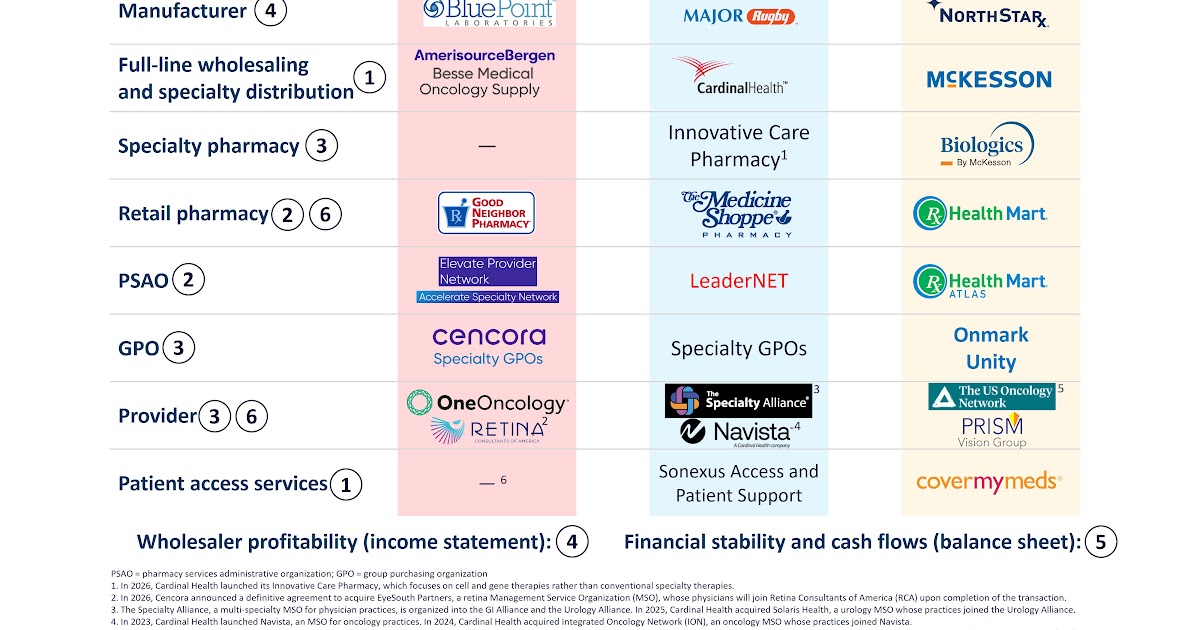
The issue becomes more significant amid the broader drug-channel changes that Drug Channels says are reshaping pharmaceutical distribution. Drug Channels describes a market in transition, with legislative intervention, pricing realignment, vertical integration, and alternative payment models moving the system away from a rebate-driven structure and toward a marketplace shaped by net prices. It also projects that drug distribution revenues for the Big Three public wholesalers are expected to reach $933 billion in 2026. None of that creates a new 340B rule. It does reinforce an old compliance lesson: as distribution arrangements grow more complex, record discipline has to tighten.
Replenishment records are evidence, not just output. The file should show what inventory was replenished, why it was replenished, and which eligible dispense triggered the event. If it cannot, the record set is incomplete. Reviewing summary reports alone means trusting the result without testing the inputs.
Monitoring the contract pharmacy means monitoring your own vendors
The covered entity, not the contract pharmacy or the TPA, carries the oversight burden under HRSA guidance. That distinction matters because weak programs often rely on delegated comfort. The pharmacy says its dispensing file is clean. The TPA says the accumulator logic works. Finance says replenishment savings look normal. None of those statements shows that the covered entity has active monitoring controls.
Active monitoring requires reviewing records that test the entire transaction: eligibility support, dispensing evidence, duplicate-claim handling where relevant, and replenishment accuracy. Exceptions also have to be followed through resolution. A monthly dashboard showing capture volume or savings trends is operational reporting. Oversight asks a different question: do the records prove that the claim should have been there at all?
The pattern usually becomes visible when a pharmacy ownership change, software conversion, prescriber credentialing update, or clinic registration issue disrupts the normal feed. Prescriptions that once looked routine no longer match the patient file cleanly. That is not when a control should be created. It is when the absence of one becomes visible.
Drug Channels also notes that the largest wholesalers have invested more than $20 billion in physician management services organizations, transforming their roles in buy-and-bill markets. That point concerns the broader channel, not a contract pharmacy rule. It reflects the same operational reality, though: as relationships across dispensing, distribution, and care delivery become more layered, informal oversight leaves less room for error. Covered entities need direct access to the records supporting 340B decisions, along with contractual rights and internal workflows that allow those records to be tested without delay.
What a defensible oversight posture looks like in practice
A defensible contract pharmacy program is not one that never produces exceptions. It is one that identifies them, documents them, reverses unsupported captures, and shows that the covered entity, not the vendor, is making and validating the compliance decision.
That generally means structuring reviews around transaction-level support rather than high-level metrics. When a prescription is selected for audit, the reviewer should be able to move from the patient record to the prescription details, from the prescription to the dispense record, and from the dispense to the replenishment event without guessing. If any step requires a separate explanation email, an unwritten local rule, or a vendor-only screen the entity cannot independently verify, the control framework is thin.
Bad shortcuts still show up. “The TPA already screened it” is not oversight. Neither is a contract pharmacy's inability to promptly provide the records needed to validate a dispense. And neither is a covered entity's reliance on exception reports curated by a vendor.
The hard truth is that contract pharmacy compliance is less about software than ownership. Covered entities that maintain a high record standard tend to catch problems while they are still claims issues. Those that treat vendor outputs as proof tend to discover later that they were monitoring volume, not compliance.